



IL-1
IL-1 is a core inflammatory cytokine family that links innate inflammation with acquired immunity and regulates host responses to infection, tissue injury, and sterile danger signals[1]. Mechanistically, IL-1α and IL-1β signal through IL-1R1, recruit accessory receptor components, and activate inflammatory gene programs that amplify cytokines, chemokines, COX-2, iNOS, and matrix metalloproteinases[2]. In disease models and human inflammatory disorders, deregulated IL-1α/IL-1β signaling contributes to severe acute or chronic inflammation, autoimmune disease, autoinflammatory disease, metabolic disease, neurological disease, degenerative disease, and cancer[3]. Compared with related isoforms, IL-1α can act as an active precursor and is often cell-associated, whereas IL-1β requires enzymatic processing and functions mainly as a secreted inflammatory mediator[2][3]. This isoform distinction matters in tumor models, where IL-1β promotes inflammation, tumor invasiveness, and immunosuppression, while cell-associated IL-1α can stimulate anti-tumor cell immunity[2]. For experimental and translational research, IL-1 inhibitors provide pathway tools because anakinra, bermekimab, canakinumab, gevokizumab, and rilonacept have been evaluated across immune-mediated disorders[4].- IL-1α and IL-1β share receptors but differ in localization, processing, and inflammatory context.- IL-1 blockade supports mechanistic studies of autoinflammation, tissue injury, tumor immunity, and cytokine amplification.
References:
- [1]. Dinarello CA. Overview of the IL-1 family in innate inflammation and acquired immunity. Immunol Rev. 2018 Jan;281(1):8-27. doi: 10.1111/imr.12621. PMID: 29247995; PMCID: PMC5756628. et al. Overview of the IL-1 family in innate inflammation and acquired immunity. Immunol Rev. 2018 Jan;281(1):8-27. [Content Brief]
- [2]. Voronov E, et al. Unique Versus Redundant Functions of IL-1α and IL-1β in the Tumor Microenvironment. Front Immunol. 2013 Jul 8;4:177. [Content Brief]
- [3]. Galozzi P, et al. The revisited role of interleukin-1 alpha and beta in autoimmune and inflammatory disorders and in comorbidities. Autoimmun Rev. 2021 Apr;20(4):102785. [Content Brief]
- [4]. Arnold DD, et al. Systematic Review of Safety and Efficacy of IL-1-Targeted Biologics in Treating Immune-Mediated Disorders. Front Immunol. 2022 Jul 6;13:888392. [Content Brief]
All Product Categories
-
IL-1 Inhibitors
(380)
View all products
-
IL-1 Agonist
(1)
View all products
-
IL-1 Antagonists
(2)
View all products
-
IL-1 Activators
(15)
View all products
-
IL-1 Modulators
(28)
View all products
-
IL-1 Inducers
(23)
View all products
-
IL-1 Degrader
(1)
View all products
-
IL-1 Ligands
(2)
View all products
-
IL-1 Proteins
(43)
View all products
-
IL-1 Related Products (483)
Related Products (483)

-
Recombinant Proteins (45)
-
Antibodies (1)
-
ATP
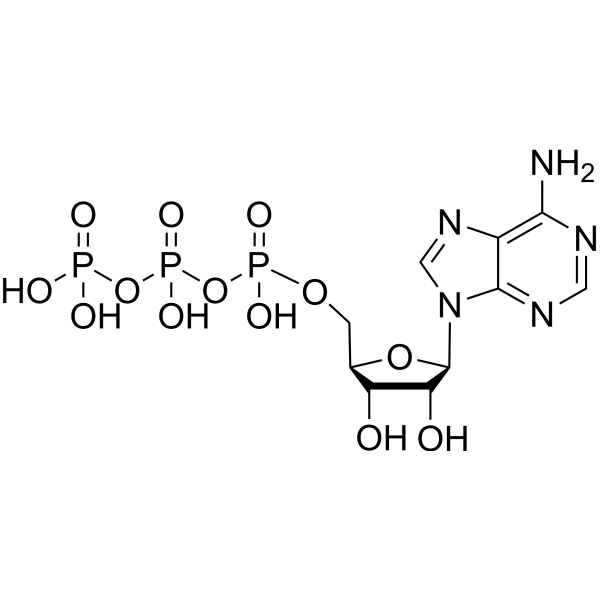 0 ImagesATP (Adenosine 5'-triphosphate) is a central component of energy storage and metabolism in vivo. ATP provides the metabolic energy to drive metabolic pumps and serves as a coenzyme in cells. ATP is an important endogenous signaling molecule in immunity and inflammation. ATP can activate the NLRP3 inflammasome and induce IL-1β and chemokines secretion. ATP has anti-bacterial infection effects and can protect mice against bacterial infection in mice.
-
Disulfiram
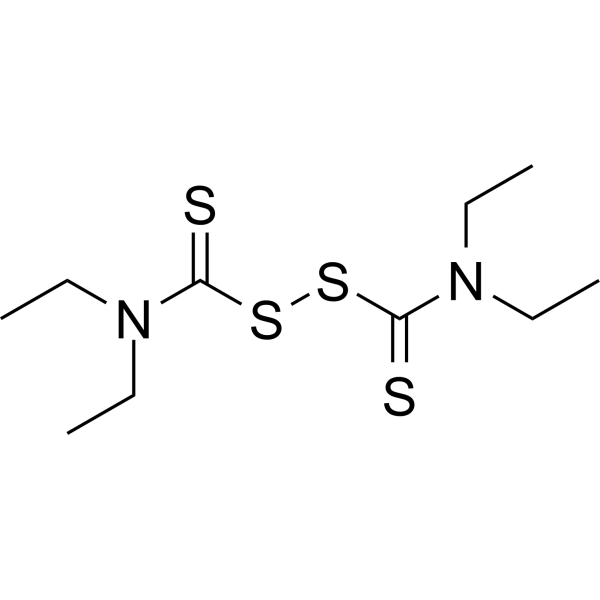 0 ImagesDisulfiram (Tetraethylthiuram disulfide) is a specific inhibitor of aldehyde-dehydrogenase (ALDH1), used for the treatment of chronic alcoholism by producing an acute sensitivity to alcohol. Disulfiram inhibits gasdermin D (GSDMD) pore formation in liposomes and inflammasome-mediated pyroptosis and IL-1β secretion in human and mouse cells. Disulfiram, a copper ion carrier, with Cu2+ increases intracellular ROS levels and induces cuproptosis.
-
Oxidopamine hydrobromide
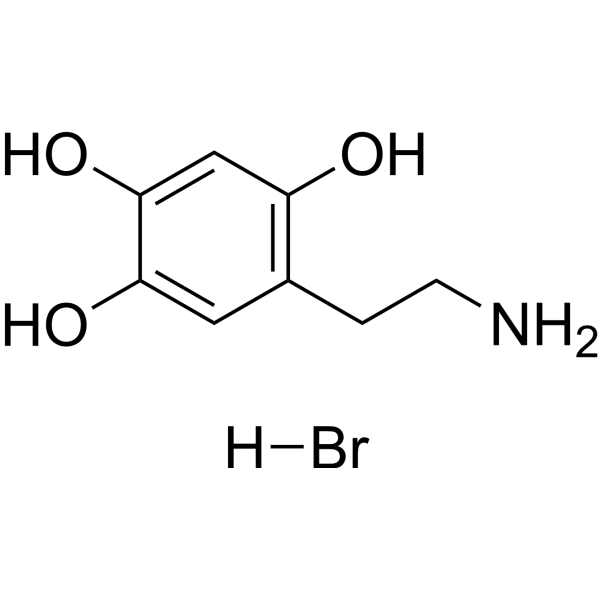 0 ImagesSynonyms: 6-Hydroxydopamine hydrobromide; 6-OHDA hydrobromideOxidopamine (6-OHDA) hydrobromide is an antagonist of the neurotransmitter dopamine. Oxidopamine hydrobromide is a widely used neurotoxin and selectively destroys dopaminergic neurons. Oxidopamine hydrobromide promotes COX-2 activation, leading to PGE2 synthesis and pro-inflammatory cytokine IL-1β secretion. Oxidopamine hydrobromide can be used for the research of Parkinson’s disease (PD), attention-deficit hyperactivity disorder (ADHD), and Lesch-Nyhan syndrome.
-
Raleukin
 0 ImagesSynonyms: Kineret; AnakinraRaleukin (Kineret) is a recombinant, nonglycosylated human interleukin-1 receptor (IL-1R) antagonist. Raleukin significantly reduces neutrophil accumulation in blood vessels and brain infarct volume as well as improves motor coordination performance in ischemic stroke mice model. Anakinra can be used to study chronic inflammatory disorders like rheumatoid arthritis and cardiovascular recurrence post-myocardial infarction.
-
Necrosulfonamide
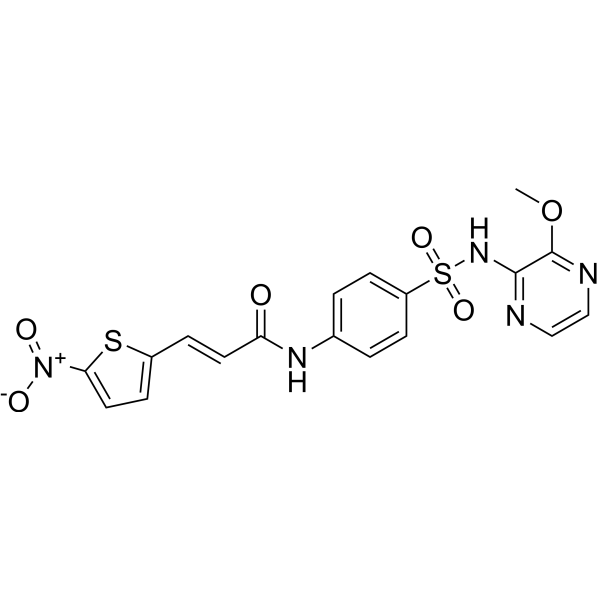 0 ImagesNecrosulfonamide is a MLKL and Gasdermin D (GSDMD) inhibitor, capable of separately inhibiting necroptosis and pyroptosis of cells. Necrosulfonamide does not affect the activation of upstream signals, but specifically inhibits the downstream executor oligomerization step. Necrosulfonamide reduces the expression of the key kinases NLRP3 and caspase-1 involved in necroptosis and pyroptosis, activate the Nrf2 pathway and the downstream antioxidant enzymes, and also downregulates a variety of inflammatory factors. Necrosulfonamide plays significant roles in various diseases such as neurodegenerative diseases (such as Parkinson’s disease), tissue damage and ischemia-reperfusion injury, inflammatory bowel disease, osteoarthritis and fracture repair, and hair loss by regulating two important programmed necrosis pathways.
-
Beta-Sitosterol (purity>98%)
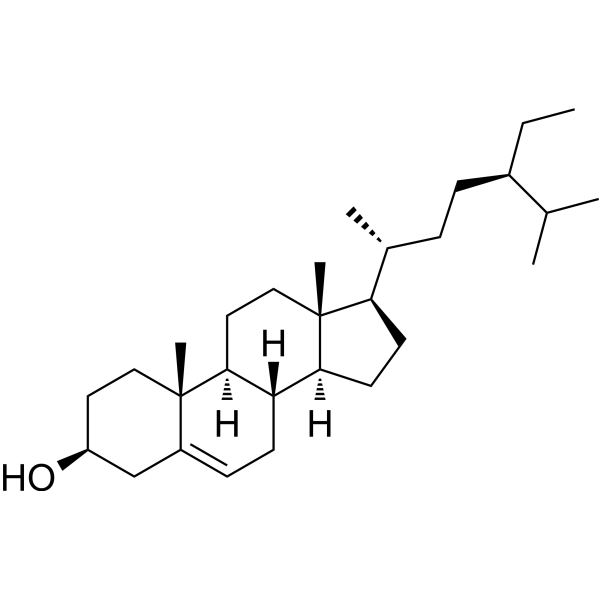 0 ImagesSynonyms: β-Sitosterol (purity>98%); 22,23-Dihydrostigmasterol (purity>98%)Beta-Sitosterol (purity>98%) is orally active. Beta-Sitosterol exhibits multiple activities, including anti-inflammatory, anticancer, antioxidant, antimicrobial, antidiabetic, antioxidant enzyme, and analgesic. Beta-Sitosterol inhibits inflammation and impaired adipogenesis in bovine mammary epithelial cells by reducing levels of ROS, TNF-α, IL-1β, and NF-κB p65 and restoring the activity of the HIF-1α/mTOR signaling pathway. Beta-Sitosterol induces apoptosis in cancer cells through ROS-mediated mitochondrial dysregulation and p53 activation. Beta-Sitosterol exerts its anticancer effects in cancer cells by activating caspase-3, caspase-8, and caspase-9, mediating PARP inactivation, MMP loss, altered Bcl-2-Bax ratio, and cytochrome c release. Beta-Sitosterol modulates macrophage polarization and reduces rheumatoid inflammation in mice. Beta-Sitosterol inhibits tumor growth in multiple mouse cancer models. Beta-Sitosterol can be used in the research of arthritis, lung cancer, breast cancer and other cancers, diabetes, etc.
-
Indole-3-pyruvic acid
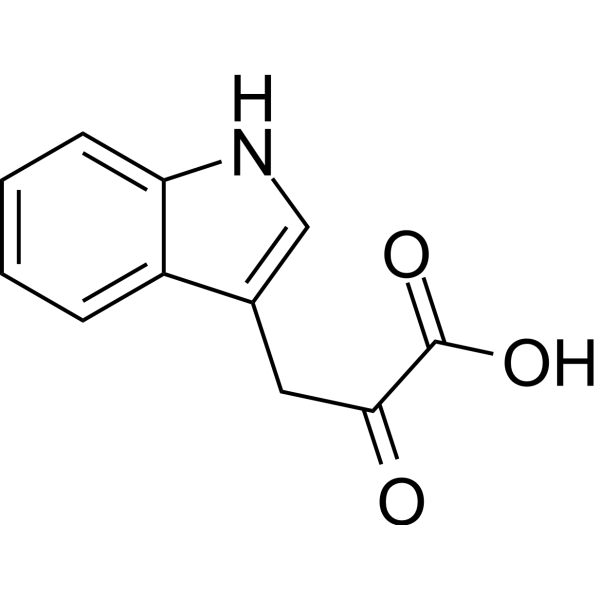 0 ImagesIndole-3-pyruvic acid is an orally active ketone analog of tryptophan, and is an aryl hydrocarbon receptor (AHR) agonist. Indole-3-pyruvic acid inhibits p38/MAPK phosphorylation, regulates the tryptophan metabolic pathway, and also possesses protective activities against skin photodamage, as well as anti-inflammatory and anti-anxiety bioactivities in the gut. Indole-3-pyruvic acid can downregulate the expression of IL-1β, IL-6, Cox-2, and Bax to alleviate UVB-induced keratinocyte toxicity. Indole-3-pyruvic acid can activate AHR to promote Tr1 cell differentiation, increase IL-10, and inhibit Th1 cytokine production. Indole-3-pyruvic acid can alter the levels of kynurenine metabolites in the brain, mediating central nervous system-related effects. Indole-3-pyruvic acid can be used in research on skin lesions, colitis, and anxiety.
-
Omeprazole
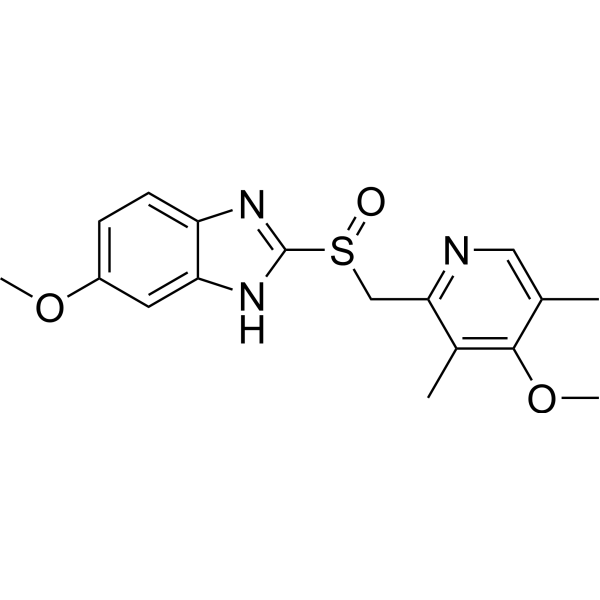 0 ImagesSynonyms: H 16868Omeprazole (H 16868) is an orally active H+,K+-ATPase inhibitor and a proton pump inhibitor. Omeprazole competitively inhibits CYP2C19, CYP3A4, and CYP2C9 activity. Omeprazole inhibits gastric acid secretion and can be used for acid-related gastrointestinal disorders. Omeprazole inhibits pancreatic cancer cell proliferation, induces apoptosis, autophagosome accumulation (elevated LC3-I and LC3-II levels), oxidative stress, and cytogenetic imbalance, modulates lysosomal transport, reduces inflammatory cytokines. Omeprazole alters small intestinal morphology and magnesium absorption, and induces gastric mucosa morphologic changes. Omeprazole also has neuroprotective and antibacterial effects.
-
Oxidopamine hydrochloride
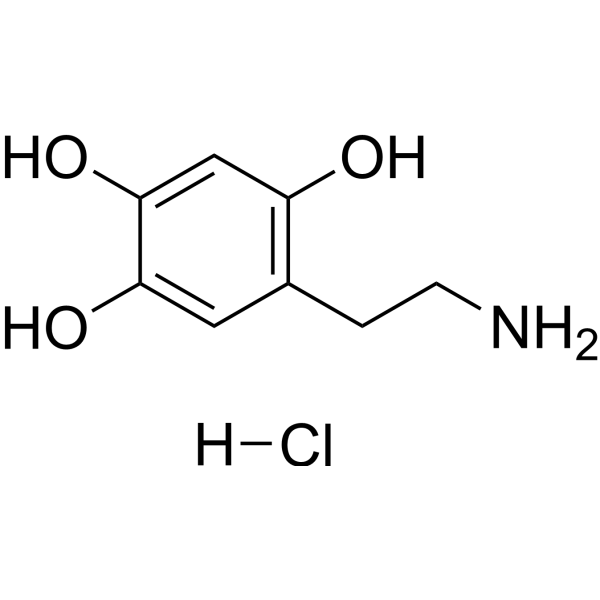 0 ImagesSynonyms: 6-Hydroxydopamine HydrochlorideOxidopamine (6-OHDA) hydrochloride is an antagonist of the neurotransmitter dopamine. Oxidopamine hydrochloride is a widely used neurotoxin and selectively destroys dopaminergic neurons. Oxidopamine hydrochloride promotes COX-2 activation, leading to PGE2 synthesis and pro-inflammatory cytokine IL-1β secretion. Oxidopamine hydrochloride can be used for the research of Parkinson’s disease (PD), attention-deficit hyperactivity disorder (ADHD), and Lesch-Nyhan syndrome.
-
DC-Y13-27
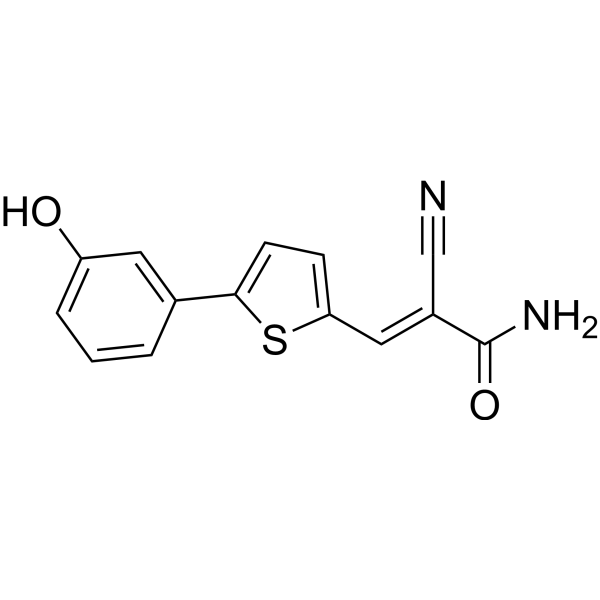 0 ImagesCat. No.: HY-154919Purity: 98.56%DC-Y13-27 is a DC-Y13 derivative and YTHDF2 inhibitor (KD: 37.9 μM). DC-Y13-27 inhibits YTHDF2, restores FOXO3 and TIMP1 protein levels, and reduces MMP1/3/7/9 expression. DC-Y13-27 induces Pyroptosis and increases IL-1β secretion. DC-Y13-27 reduces intervertebral disc degeneration and enhances the response to radiotherapy in colon cancer and melanoma. DC-Y13-27 has antitumor activity against breast cancer.
-
N-Acetyl-D-glucosamine
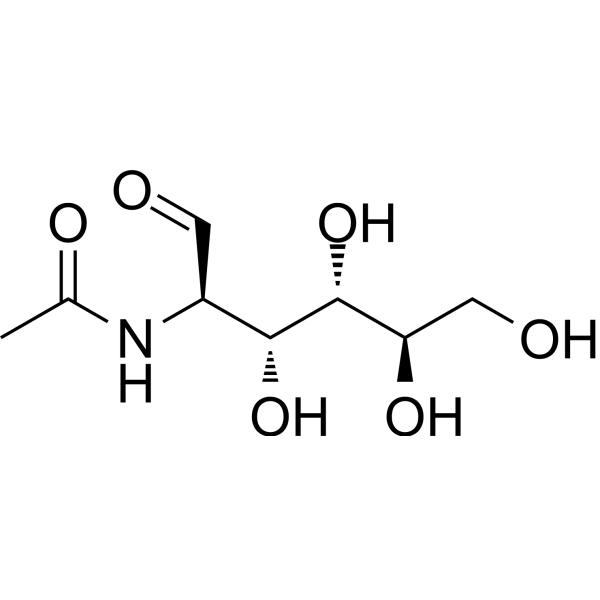 0 ImagesN-Acetyl-D-Glucosamine (N-Acetyl-2-amino-2-deoxy-D-glucose), the D isomer of N-acetylglucosamine, is an orally active monosaccharide derivative of glucose with anti-tumor and anti-inflammation properties. N-Acetyl-D-Glucosamine is also a bacterial metabolite, which is found in Escherichia coli. N-Acetyl-D-Glucosamine can induce yeast-mycelial conversion in Candida albicans. N-Acetyl-D-Glucosamine also enhances healing of cartilaginous injuries in rabbits.
-
Benzbromarone
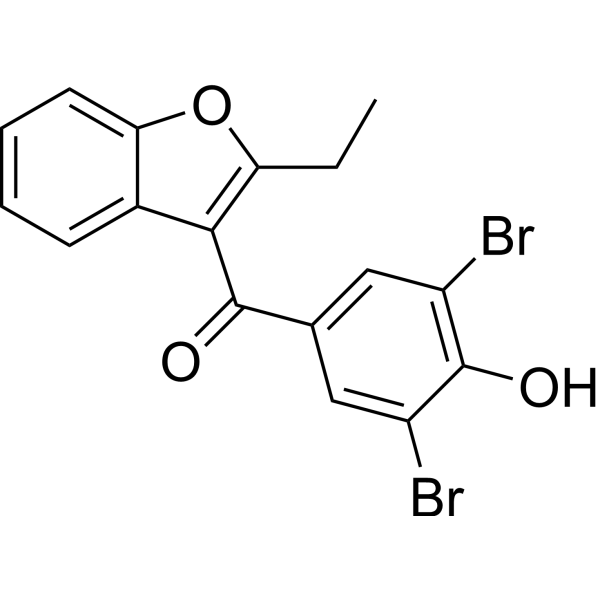 0 ImagesBenzbromarone is an orally active anti-gout agent. Benzbromarone has anti-infammatory, anti-oxidative stress and nephroprotective effects. Benzbromarone can be used for the research of hyperuricemia and gout.
-
Sodium metatungstate
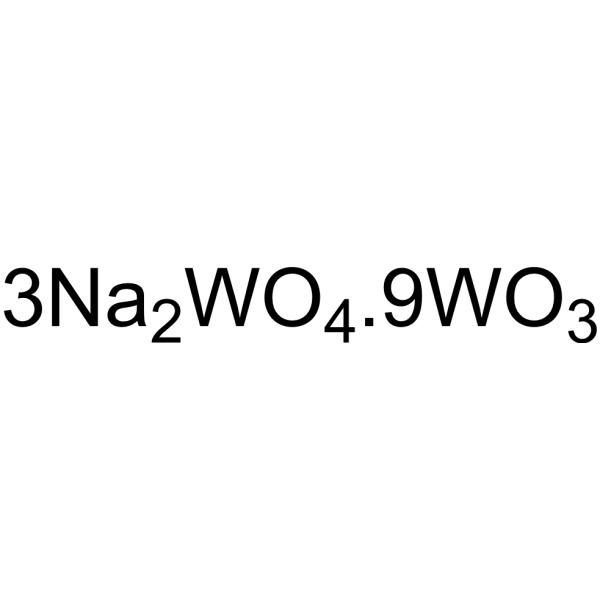 0 ImagesCat. No.: HY-103259CAS No.: 12141-67-2Synonyms: Sodium polyoxotungstate; POM-1Sodium metatungstate (Sodium polyoxotungstate) is a NTPDase inhibitor, with Ki values of 2.58 μM, 3.26 μM, and 28.8 μM for NTPDase 1 (CD39), NTPDase 3 and NTPDase 2 respectively. Sodium metatungstate has anti-inflammatory and anti-cancer effect. Sodium metatungstate inhibits ATP breakdown but also blocks central synaptic transmission.
-
ATP disodium salt hydrate
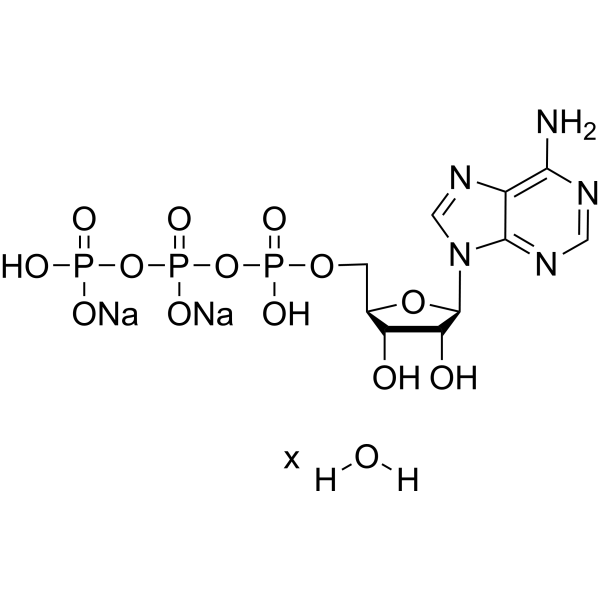 0 ImagesSynonyms: Adenosine 5'-triphosphate disodium salt hydrateATP (Adenosine 5'-triphosphate) disodium salt hydrate is a central component of energy storage and metabolism in vivo. ATP disodium salt hydrate provides the metabolic energy to drive metabolic pumps and serves as a coenzyme in cells. ATP disodium salt hydrate is an important endogenous signaling molecule in immunity and inflammation. ATP disodium salt hydrate can activate the NLRP3 inflammasome and induce IL-1β and chemokines secretion. ATP disodium salt hydrate has anti-bacterial infection effects and can protect mice against bacterial infection in mice.
-
Inclisiran sodium
 0 ImagesCat. No.: HY-132591APurity: 99.08%Synonyms: ALN-PCSsc sodiumInclisiran sodium is a double-stranded small interfering RNA (siRNA) molecule. Inclisiran sodium inhibits the transcription of PCSK9. Inclisiran sodium inhibits Pyroptosis, activates PPARγ, and reduces NLRP3, cleaved caspase-1, IL-1β, and IL-18. Inclisiran sodium has anti-inflammatory, lipid-regulating and anti-atherosclerotic activities. Inclisiran sodium can be used in researches of hyperlipidemia and cardiovascular disease (CVD).
-
Inclisiran
 0 ImagesSynonyms: ALN-PCSscInclisiran is a double-stranded small interfering RNA (siRNA) molecule. Inclisiran inhibits the transcription of PCSK9. Inclisiran inhibits Pyroptosis, activates PPARγ, and reduces NLRP3, cleaved caspase-1, IL-1β, and IL-18. Inclisiran has anti-inflammatory, lipid-regulating and anti-atherosclerotic activities. Inclisiran can be used in researches of hyperlipidemia and cardiovascular disease (CVD).
-
IRF1-IN-1
 0 ImagesIRF1-IN-1 (Compound I-2) is an IRF1 inhibitor. IRF1-IN-1 decreases the recruitment of IRF1 to the promoter of CASP1. IRF1-IN-1 inhibits cell death signaling pathway (i.e., cleavage of Caspase 1, GSDMD, IL-1 and PARP1). IRF1-IN-1 has a protective effect on ionizing radiation-induced inflammatory skin injury.
-
Alvelestat
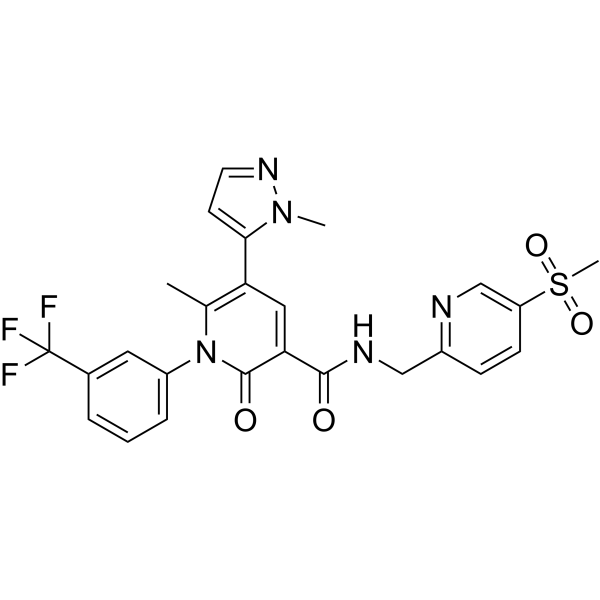 0 ImagesSynonyms: AZD9668Alvelestat (AZD9668) is an orally active, selective inhibitor of neutrophil elastase. Alvelestat reduces elastase activity, myeloperoxidase release, neutrophil recruitment and activation, and calcium phosphate precipitation; promotes smooth muscle cell colonization and collagen deposition; and inhibits the formation of neutrophil extracellular traps (NETs) as well as NET-derived neutrophil elastase activity. Alvelestat restores endothelial dysfunction, regulates antioxidant factors, improves the expression of endothelial tight junctions, reduces vascular leakage, and accelerates wound healing. Alvelestat prevents pulmonary hemorrhage, matrix protein degradation, airspace enlargement, and small airway wall remodeling; and alleviates cigarette-induced inflammatory responses. Alvelestat inhibits the growth of abdominal aortic aneurysms exacerbated by Porphyromonas gingivalis. Alvelestat can be used in research related to chronic obstructive pulmonary disease, abdominal aortic aneurysm, radiation-induced skin injury, and bronchiectasis.
-
ATP (Standard)
 0 ImagesATP (Adenosine 5'-triphosphate) (Standard) is the analytical standard of ATP (HY-B2176). This product is intended for research and analytical applications. ATP is a central component of energy storage and metabolism in vivo. ATP provides the metabolic energy to drive metabolic pumps and serves as a coenzyme in cells. ATP is an important endogenous signaling molecule in immunity and inflammation. ATP can activate the NLRP3 inflammasome and induce IL-1β and chemokines secretion. ATP has anti-bacterial infection effects and can protect mice against bacterial infection in mice.




